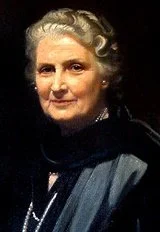
Dr. Maria Montessori
“The child has a mind able to absorb knowledge. He has the power to teach himself.”
Maria Montessori (1870–1952) was an Italian physician and educator whose work reshaped our understanding of child development and education. Her observations led to a foundational insight: learning is a natural process that unfolds through meaningful activity within a carefully prepared environment.
In 1907, she established Casa dei Bambini (Children’s House) in Rome, where she introduced materials and environments designed to support independence, concentration, and purposeful engagement. Rather than direct instruction, children were given freedom to choose their work and learn through exploration, repetition, and discovery.
From this work emerged the Montessori Method, a global approach grounded in respect for the child’s developmental process. It recognizes children as capable individuals who learn best when supported with structure, freedom, and meaningful work.
Today, Montessori education continues to inform early childhood practice worldwide and remains closely aligned with contemporary understanding of child development, emphasizing independence, focus, and purposeful learning.
Montessori Curriculum

Practical Life
Everyday life skills activities help the child develop coordination, concentration, order, and independence, forming the foundation for all future learning.
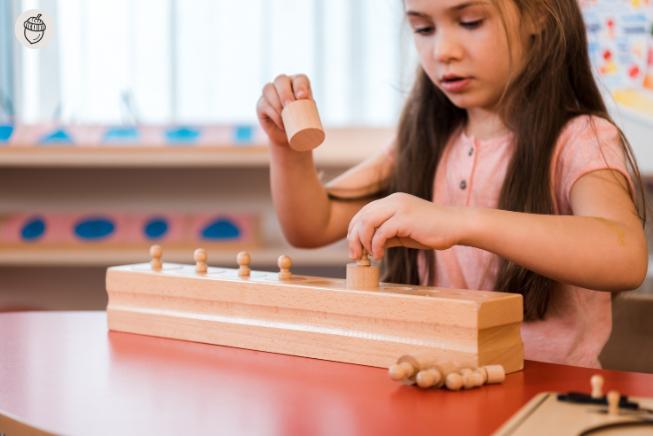
Sensorial
Refining the senses and perceptual activities help the child classify and understand the world through their sense, developing observation skills and fine motor control.
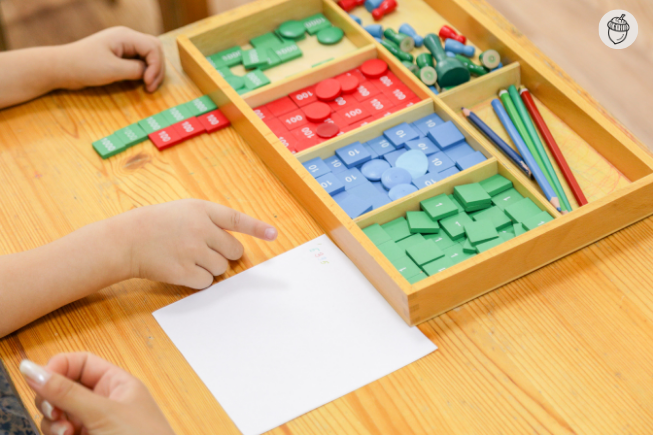
Mathematics
Math materials offer a concrete foundation for abstract mathematical concepts, developing logical thinking.
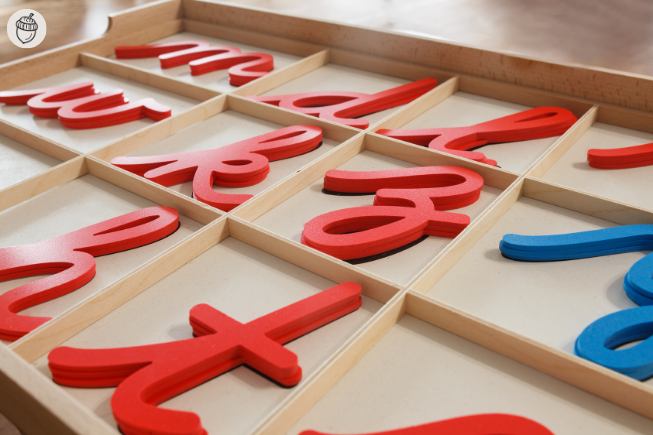
Language
Language activities nurture vocabulary development, phonetic awareness, writing, and reading skills.

Cultural Studies
Geography, Science, History, Art, and Music introduce the child to the wonders of the world, fostering curiosity and respect for different cultures and natural phenomena.
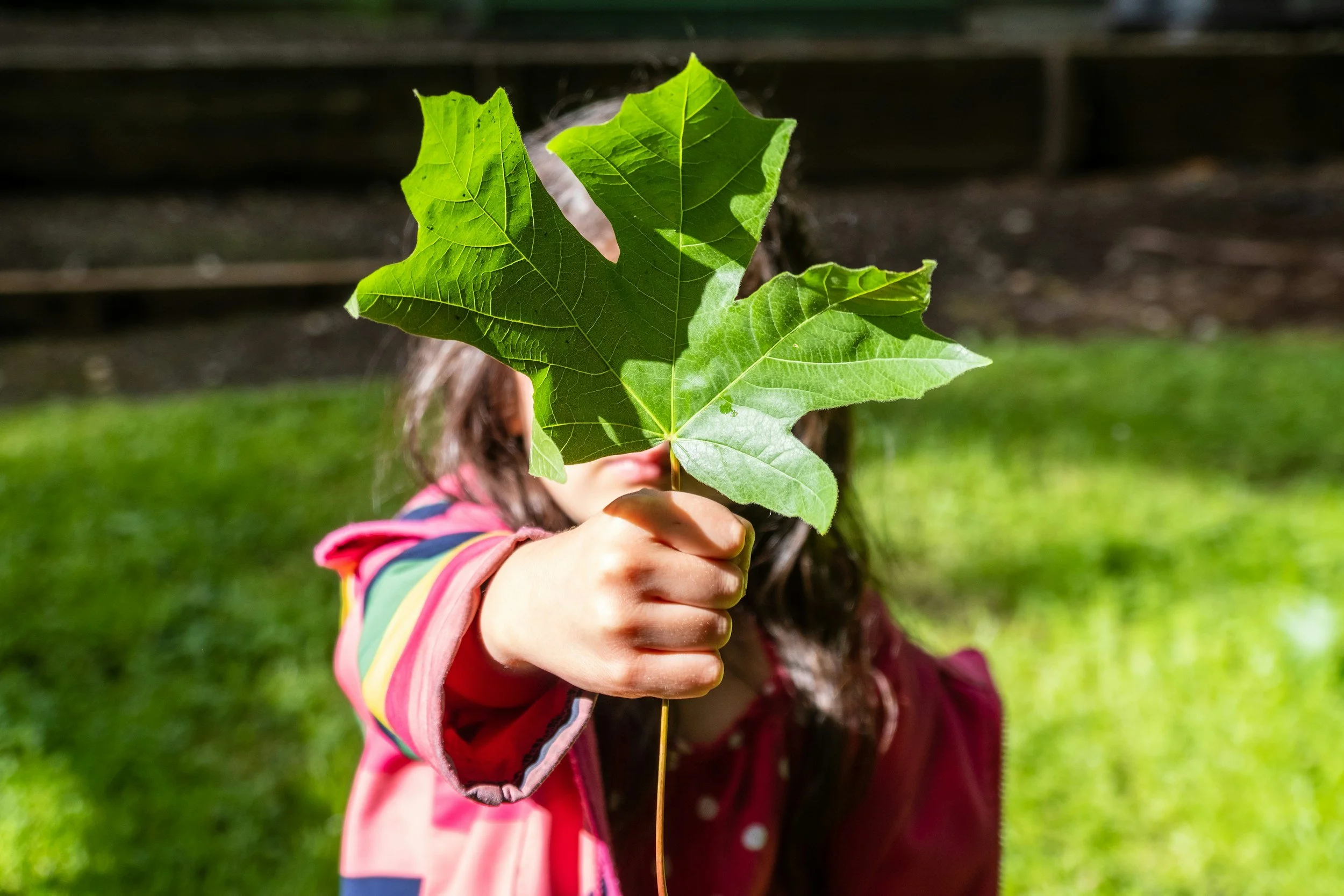
Outdoor Education
Exploration, Ecology, and Stewardship nurtures curiosity, environmental awareness, and physical development while reinforcing academic and life skills.
How Children Learn Here
Our program is designed around the developmental stages identified by renowned educator Maria Montessori. These stages reflect how children grow and learn across early and elementary childhood. By recognizing and respecting these patterns, we align learning experiences with each child’s readiness and needs.
Learning unfolds over time through hands-on exploration, repetition, and meaningful engagement with the environment.
Parent-Child Program (Under 3 Years)
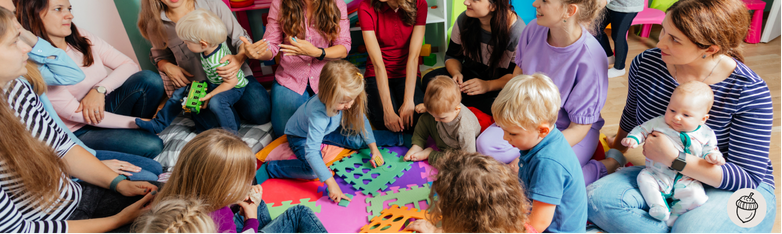
For children under three, learning is grounded in close connection with a parent or caregiver. This stage focuses on trust, communication, movement, and early independence through shared experiences in a prepared environment. Parents also receive gentle guidance in supporting independence, confidence, and connection during the earliest years of development.
First Plane of Development (Birth–6 Years)
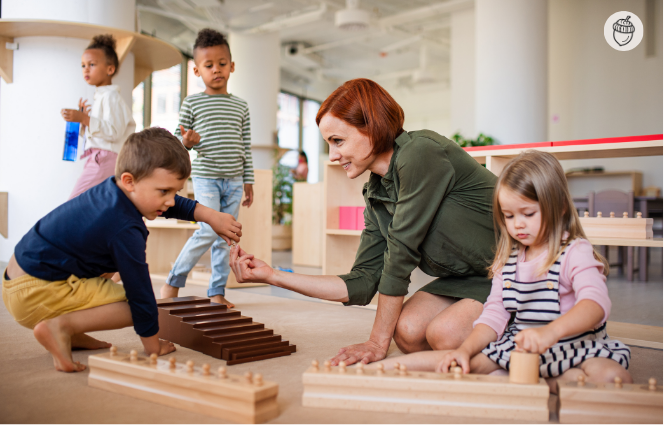
A period of rapid growth in which children absorb their environment naturally and effortlessly. Children develop independence, language, movement, order, and foundational cognitive and social skills through hands-on, purposeful experiences.
Second Plane of Development (6-12 Years)
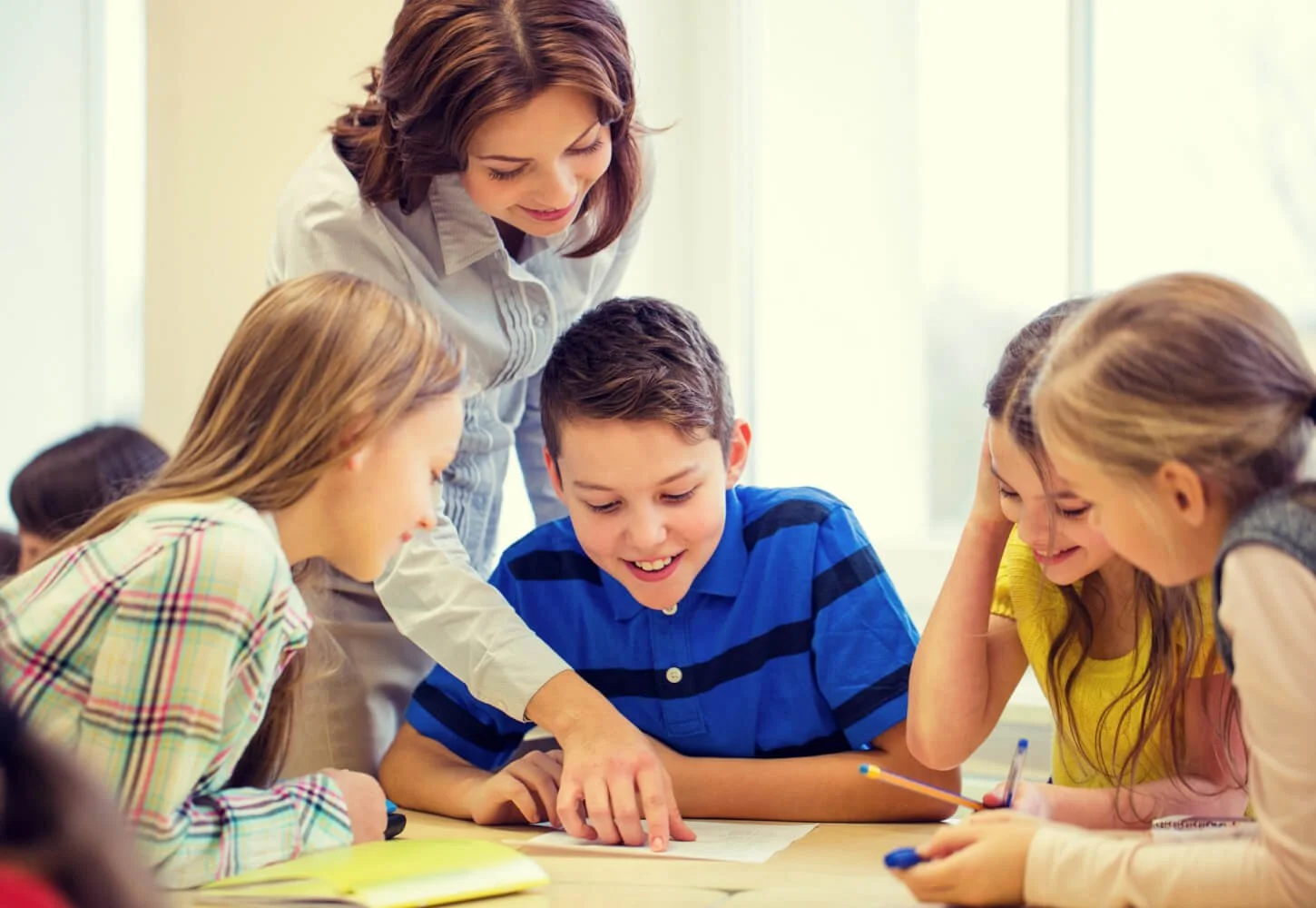
A stage of expanding reasoning, imagination, and social awareness. Children begin to think more abstractly, ask deeper questions, collaborate with peers, and develop intellectual independence and moral understanding.
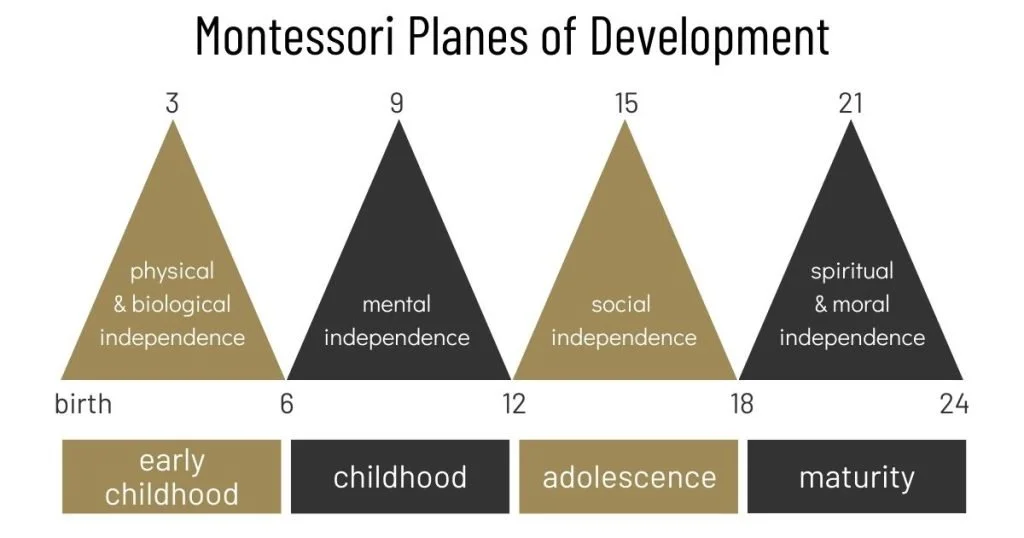
One of the key concepts in Montessori education is the idea of the Planes of Development, which refers to the different stages of growth and development that children go through from birth to adulthood. Each Plane of Development has its own unique characteristics and needs, and the Montessori approach meets these needs at each stage.
Montessori education is a unique approach to learning that focuses on the holistic development of a child. According to Montessori education theory, the Four Planes of Development outline the physical, cognitive, emotional, and social milestones children progress through at each stage. Each plane provides teachers, parents, and caregivers with an understanding of the unique developmental needs children experience as they progress from infancy to maturity.